Strategies / Opportunity Zones
Opportunity Zones
Defer recognized capital gains and pursue long-term, tax-advantaged real estate investment through Qualified Opportunity Funds investing in designated Opportunity Zones.
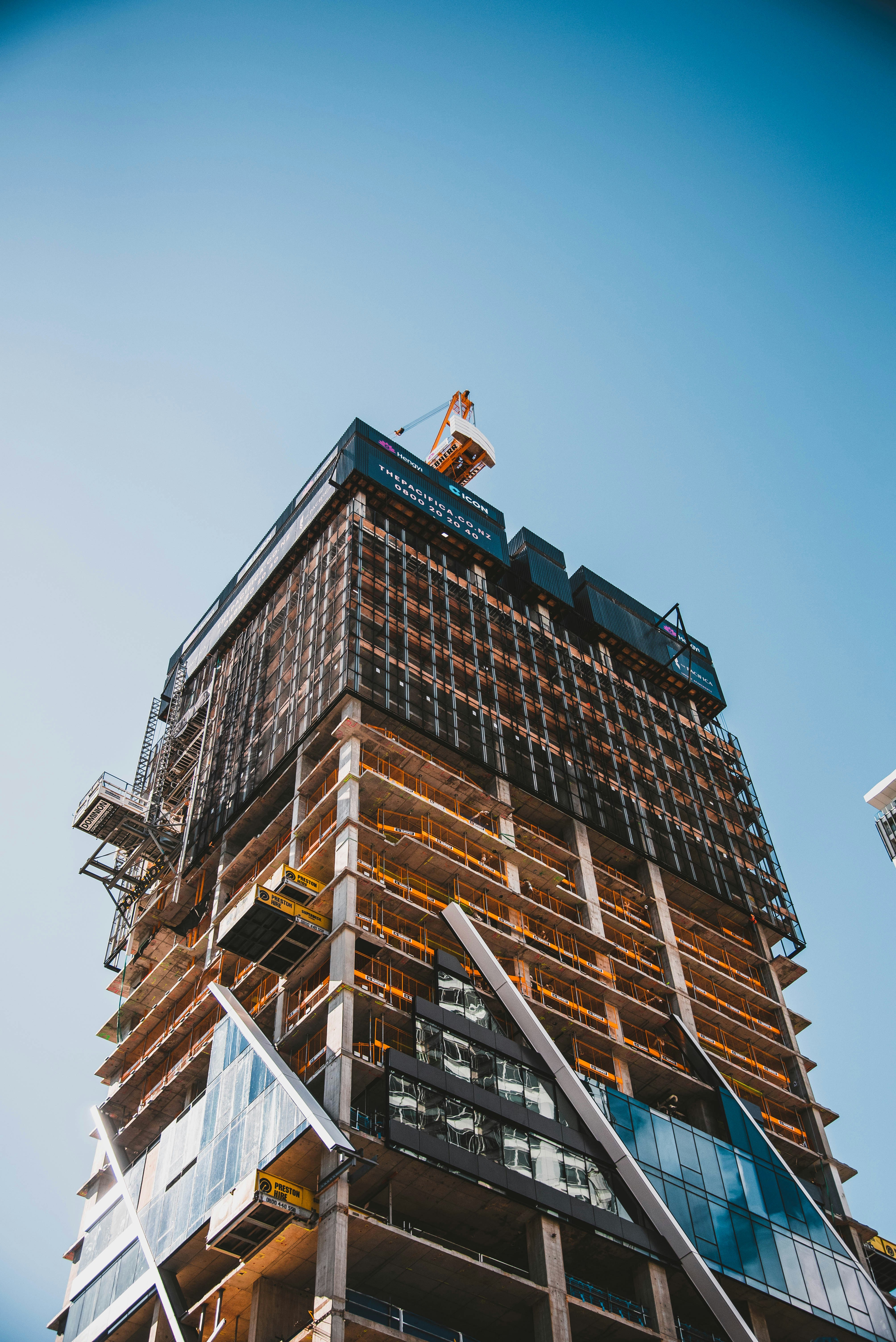
What are Opportunity Zones?
Opportunity Zones are designated census tracts in the United States that qualify for a federal tax-incentive program designed to encourage long-term investment in eligible communities.
The Opportunity Zones program was created by the Tax Cuts and Jobs Act of 2017 and directed billions of dollars of private capital into eligible communities. Congress made the program permanent under the One Big Beautiful Bill Act of 2025 (OBBBA), with renewed rules taking effect for investments made on or after January 1, 2027.
The renewed program preserves the core structure of the original: defer, reduce, then eliminate.
Qualified Opportunity Funds
A Qualified Opportunity Fund (QOF) is the vehicle through which investors access the program. It is organized as a partnership or corporation and must hold at least 90% of its assets in eligible Opportunity Zone property.
QOFs can invest in a range of qualifying assets, including commercial real estate development, multifamily housing, infrastructure, and operating businesses located in Opportunity Zones.
The renewed program created a distinct Qualified Rural Opportunity Fund (QROF) category, which invests in designated Rural Opportunity Zones and offers an enhanced basis adjustment relative to standard QOFs.
How Opportunity Zones work
Defer
Capital gains deferral
Investors who reinvest recognized capital gains into a QOF within 180 days of recognizing the gain may defer the recognition of those gains. Gains passed through on a Schedule K-1 from a partnership or other pass-through entity follow modified timing rules that may extend the reinvestment window. Under the renewed program, each investor's deferred gain is recognized five years after the date of their QOF investment.
Reduce
Basis step-up at recognition
At the five-year recognition point, investors receive a 10% step-up in basis on the originally deferred gain, reducing the tax owed at recognition. Investors in a Qualified Rural Opportunity Fund (QROF) receive an enhanced 30% step-up.
Eliminate
Tax elimination after ten years
Investors who hold their QOF investment for at least 10 years from the same investment date receive a step-up in basis on the QOF investment, which may eliminate federal capital gains tax and depreciation recapture tax that would otherwise apply.
Section 1 of 3
01
Continue Exploring
Explore other strategies
1031 Exchanges
Defer capital gains on the sale of investment real estate by reinvesting through institutional-quality Delaware Statutory Trust programs.
721 UPREITs
A 1031 Exchange into a DST, with the potential for a subsequent 721 contribution into a REIT operating partnership. If that contribution occurs, appreciated real estate becomes an interest in a diversified, professionally managed portfolio.