Interviews
Five Questions for Alternative Investments Veteran Jay Frank
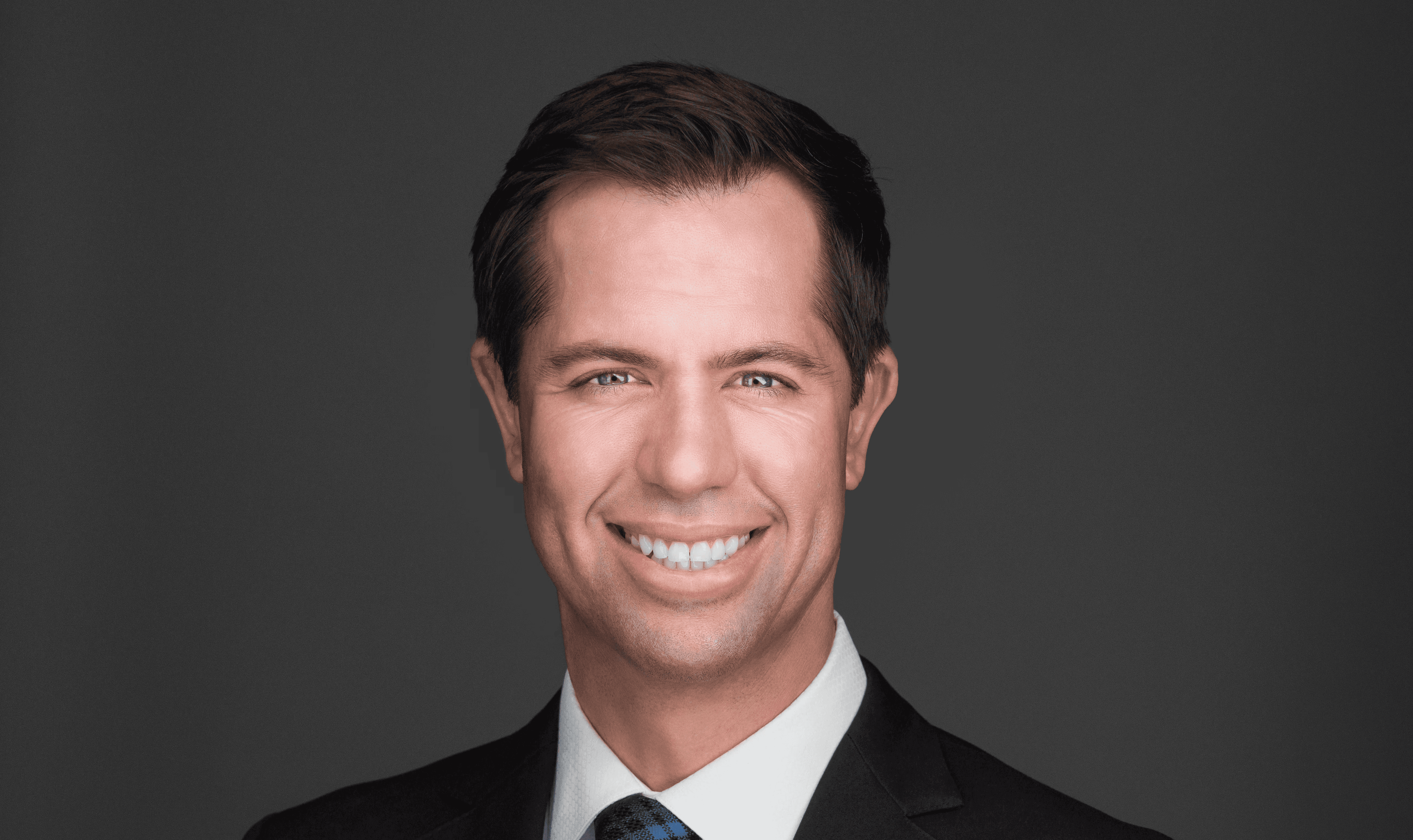
For the latest installment of “Five Questions for…,” the AltsWire editorial team sat down with Jay Frank, a two-decade leader in the alternative investment space whose career sits at the intersection of private markets and private wealth. Frank recently completed a decade-long tenure as president, chief operating officer, and head of distribution at Cantor Fitzgerald Asset Management.
AltsWire: Over your decade helping launch and build Cantor Fitzgerald Asset Management into a multibillion-dollar platform, what best captures your approach to scale and quality? What are you most proud of?
Jay Frank: Building a culture where A-players choose to work together and share best practices was always front and center. People make great companies. Growth followed because we treated distribution like a product and the adviser like a client. We focused on bringing timely, differentiated strategies in the right structures while nailing onboarding simplicity, useful thought leadership, and continuity of service. When people, process, and product align, scale is a byproduct.
Launching what I believe was the first private-equity- and private-credit-focused infrastructure interval fund, the Cantor Fitzgerald Infrastructure Fund, with about $5 million and scaling it to more than half a billion in three years while delivering strong results is high on the list. A number of larger competitors followed, and imitation is the sincerest form of flattery.
Ultimately, the number one achievement is the collective success across the platform and the lives we positively impacted along the way. I will never forget a team member we promoted off the sales desk who called to say he had paid off his debt … and then called two years later to say he had bought his first home.
AW: What structural wrappers look most compelling for the next leg of alternatives adoption in private wealth? What trends are you focused on?
JF: Interval funds and tender-offer funds will continue to lead because they balance access, governance, and periodic liquidity. I believe models that systematically incorporate alternatives are a big part of the future, and ’40 Act structures, especially interval funds, are as close to plug and play as you will find. These same structures also translate well to the defined contribution, or DC, market as the industry moves in that direction. The common thread is operational simplicity and scalability. Make allocations easy to understand and easy to subscribe to, report on and service, and the wrapper becomes a feature rather than a hurdle.
A second trend I am excited about is the gradual maturation of retail allocation practices toward institutional norms. Retail will not match institutional allocations one for one, but I expect steady progress. Advisers are moving from one-off product picks to an asset allocation mindset, building portfolios that incorporate alternatives, budget liquidity, and use complementary sleeves across private equity, private credit, real estate, and infrastructure.
This evolution is being enabled by interval funds, which make institutional-style portfolio construction operationally feasible in the wealth channel. I would add that straight-through processing, or STP, platforms are making impressive progress across transfer agents, custodians, and marketplaces, which is key to broader adoption of other alternative structures as well.
AW: As alternatives scale in the wealth channel, what capabilities will separate the firms that win from those that stall?
JF: It starts with institutional substance. Firms need a credible track record, seasoned investment teams, and a process that stands up to deep diligence. Brand awareness matters too, because advisers default to names they trust when client outcomes are on the line. From there, structure and operational execution are decisive. Be present where advisers already work on custodial shelves, the major STP platforms and marketplaces, and have reputable third-party due diligence coverage. Make subscriptions painless, with low not-in-good-order, or NIGO, rates and e-sign workflows (and, where appropriate, no-sign). Deliver clean, integrated data with reconciled feeds and APIs into custodians and portfolio systems so positions, activity, and tax lots line up without manual fixes. Support it with practical education, model-ready materials, scenario analysis, and plain-English explanations of fees, liquidity, and risks. Do these things consistently and the investment conversation gets much easier.
AW: Where are you most excited on the investment side right now?
JF: Durable, cash-flowing assets with identifiable demand drivers. In private credit, I favor senior-secured, cash-pay strategies with lender-friendly documentation, robust covenants, clear first-loss alignment, and managers with demonstrated workout capability. In real estate, the repricing of the asset class over the last three and a half years has created an attractive entry point. In infrastructure, I like assets tied to long-term secular needs such as digital and energy infrastructure that support AI compute, grid reliability, and data proliferation. I also see a significant opportunity in private equity for the wealth channel, given the historically low exposure in the channel. Private equity commands the highest allocation to most institutional portfolios, but the lowest in retail. I expect that to change.
Stepping back, what excites me most is another secular trend: broader access for retail investors, through the wealth channel, to best-in-class managers across the private-market “food groups” of private equity, private credit, real estate, and infrastructure – all in modern structures that enable true adoption. Add purpose-built, operationally efficient satellite exposures in areas like sports, media and entertainment, and you give advisers the ability to build better portfolios while aligning with their workflows. If we execute well, I believe this unlocks significant capital as allocations move from roughly 4% to 5% to 10% and beyond over the next several years.
AW: Professionally, you have just closed one chapter and are evaluating future opportunities. How are you approaching what’s next?
JF: I have not slowed down in 20 years, so I am taking a brief moment to reflect on what matters, coach my girls’ soccer teams, and calibrate. It feels like halftime. I am in the locker room making adjustments, evaluating where the industry is headed, and thinking about what winning in wealth will require over the next five years.
This industry is evolving quickly, and we need to stay ahead. I am focused on opportunities where I can help a firm with strong institutional investment credibility scale complementary strategies across the private wealth channel with discipline, process, and a commitment to excellence. The filter is simple: people, process, product, in that order.
About
Jay Frank is a private-markets executive with two decades building platforms across private equity, private credit, real estate, infrastructure, energy, digital assets, and tax-advantaged solutions. He helped start Cantor Fitzgerald’s asset management business and later served as president and chief operating officer, overseeing growth to approximately $15 billion in assets under management across over 85 investment products while advancing access to alternatives in the private wealth channel.
More Insights
View All →